Functional Fragrance: Scent with Intention
Why scent should be more than something that smells nice
I’ve been a qualified aromatherapist for over 30 years, and I’ve always believed that fragrance should do more than simply smell beautiful. It should make you feel something.
For me, scent has always been connected to emotion, memory, nature and ritual. Long before the phrase functional fragrance became fashionable, I was creating essential oil blends with distinct intentions: to calm, uplift, comfort, ground or transport someone to a particular place, season or state of mind.
This way of thinking has shaped my recent collaboration with Sweet Bee Organics, where I have created a series of seasonal and functional fragrance blends for their beautiful magnesium butter collection. Each blend has been developed not simply to scent the product, but to deepen the self-care ritual around it.
In this article, I want to explore why scent can have such a powerful effect on how we feel, bringing together my own experience as an aromatherapist with what science is helping us understand about fragrance, mood, memory and wellbeing.
What is functional fragrance?
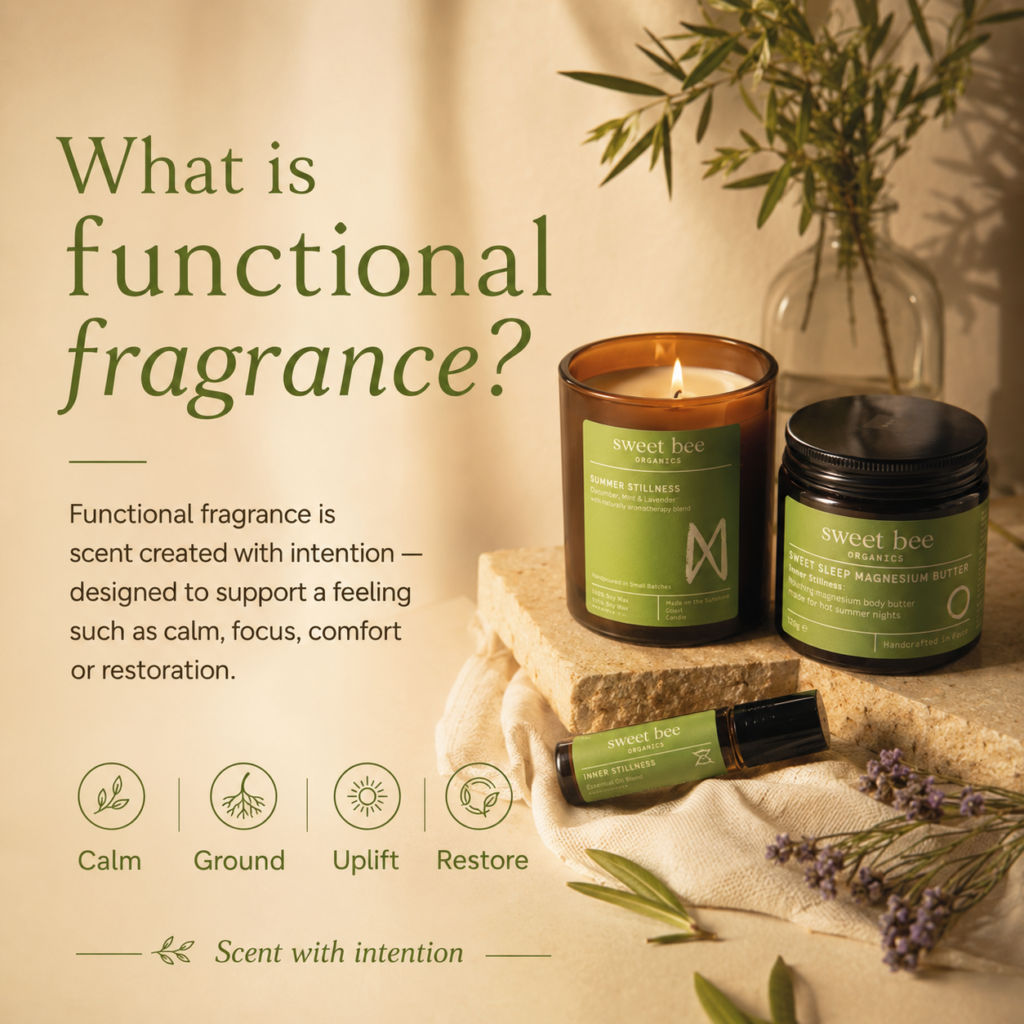
A fragrance is often created to be enjoyed for its scent alone. Functional fragrance is something more intentional.
Functional fragrance means combining beautiful aromatic ingredients for a specific purpose. It uses carefully selected natural ingredients to encourage a particular feeling, whether calm, focus, energy, comfort, harmony or restoration. It is, quite simply, scent with intention.
Every blend I create begins with a simple question:
How do I want someone to feel? What is the intention?
This means recognising that scent can help shape an atmosphere, support a ritual and influence the way we experience a moment.
Science is increasingly helping to explain what many cultures have understood intuitively for centuries: scent has a direct and powerful relationship with how we feel.
Why scent affects us so deeply
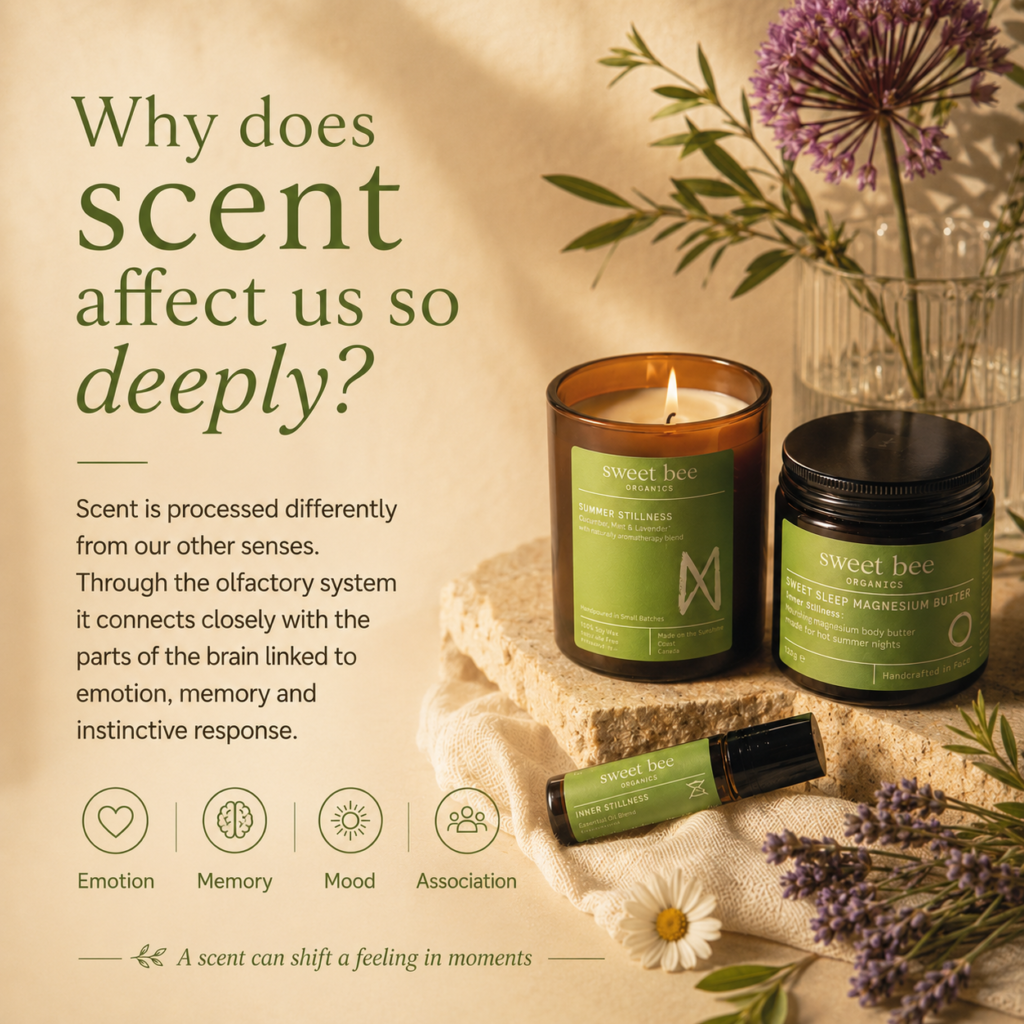
When we inhale an essential oil, tiny volatile aromatic molecules travel into the nose, where they bind with our olfactory receptors. These receptors send signals to the olfactory bulb, which is closely connected to the brain’s limbic system — the network involved in emotion, memory and instinctive responses.
This helps explain why scent can affect us so quickly. A fragrance can alter the atmosphere of a room, shift a mood or bring back a memory before we have even consciously identified what we are smelling.
The amygdala, one of the areas connected to scent, is involved in processing emotions such as comfort, pleasure, fear and reward. This is why lavender may feel calming, citrus notes may feel uplifting, tree oils may feel grounding, or the smell of wood smoke may evoke nostalgia.
At the same time, scent is deeply personal. Our responses are shaped by biology, but also by our own memories, associations, culture and life experiences. The same aroma can comfort one person and unsettle another, depending on the story their brain has attached to it.
The hippocampus, which plays an important role in memory, is also closely linked to the olfactory system. This is why scent is so often described as one of the strongest triggers of memory. A single aroma can carry us back decades to a grandmother’s garden, a childhood Christmas, a woodland walk or a favourite holiday.
As someone who creates scents with intention, this fascinates me. When we use a particular fragrance consistently during meditation, bedtime or moments of relaxation, the brain can begin to associate that aroma with a desired emotional state. Over time, simply smelling that blend may help guide us back towards that feeling more naturally. Repetition, attention and ritual all play a part.
Scent, stress and the nervous system
The olfactory system also communicates with the hypothalamus, a part of the brain involved in regulating hormones, sleep, appetite, body temperature and the autonomic nervous system.
Our autonomic nervous system has two primary modes:
- the sympathetic nervous system, often associated with the “fight or flight” response;
- the parasympathetic nervous system, often associated with “rest and restore”.
This is one of the reasons functional fragrance is so interesting in relation to stress, rest and relaxation. Many essential oils commonly used in aromatherapy, including lavender, frankincense, sandalwood and chamomile, are often associated with feelings of calm, stillness and restoration.
Research in this area continues to evolve, but what is clear from both science and lived experience is that fragrance can play a meaningful role in how we create environments that support emotional wellbeing.
More than chemistry: the power of ritual
Fragrance works through more than chemistry alone.
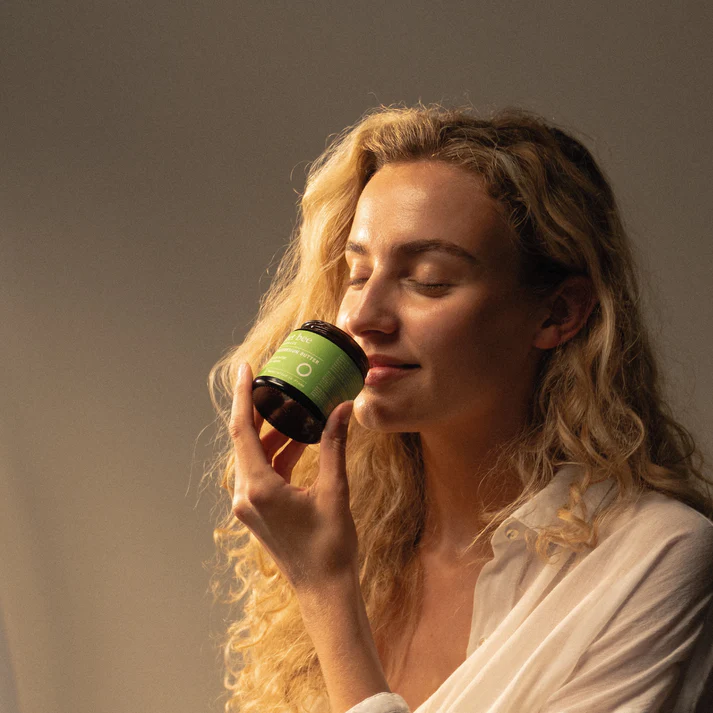
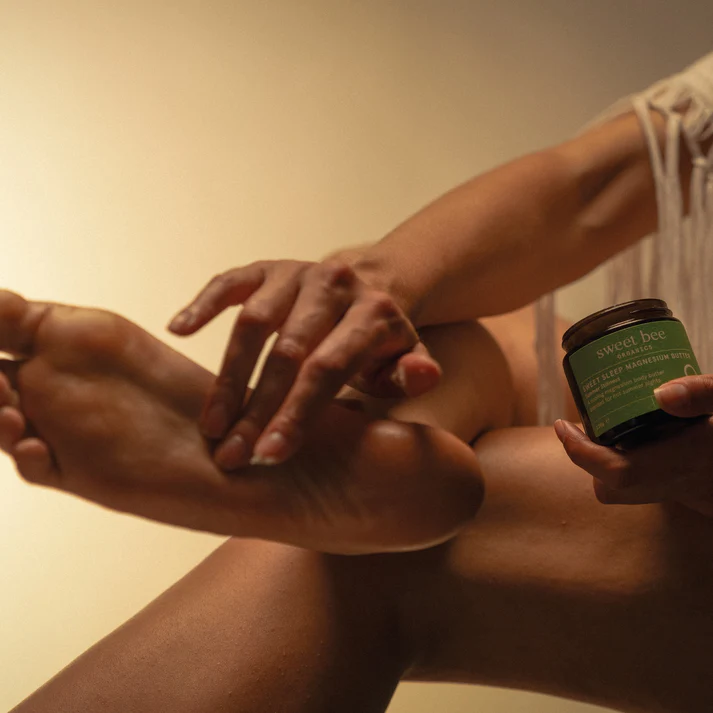
Our memories, culture, personal experiences and daily habits all shape how we respond to scent. When we diffuse the same blend each evening before sleep, use a favourite body product before bed, or light a particular candle during quiet time, the brain begins to form positive associations.
Over time, the fragrance itself can become a gentle signal: it is time to slow down, breathe deeply, soften and unwind.
This is one of the reasons scent is such a powerful wellbeing tool. It engages both our biology and our behaviour. It can become part of the rhythm of how we care for ourselves.
For me, scent is storytelling
Scent has the remarkable ability to transport us to a person, place, season or moment in time we thought we had forgotten.
It can reconnect us with the past, but it can also help us create new personal stories and memories. A bespoke scent can become part of a wedding day, mark a milestone birthday, or provide comfort and confidence during times of change, becoming forever linked to those meaningful moments.
I also create signature fragrances for spas and wellbeing businesses, designing each one to a unique brief that welcomes guests and evokes a distinct sense of place or mood. Whether inspired by a tropical Thai spa, a Himalayan retreat, or a wildflower meadow surrounding a yoga sanctuary, scent has the power to immerse people in an experience before they even realise it.
Fragrance can capture a season, evoke a landscape and carry us effortlessly to another place or time on an invisible breeze. Every formula I create is developed with intention and purpose, telling a story entirely its own.
Every essential oil has its own unique profile, but true artistry lies in the blending. A successful formulation is not simply a collection of pleasant aromas. It is a carefully balanced composition where each ingredient contributes to the overall intention.
Bringing the feeling of nature indoors
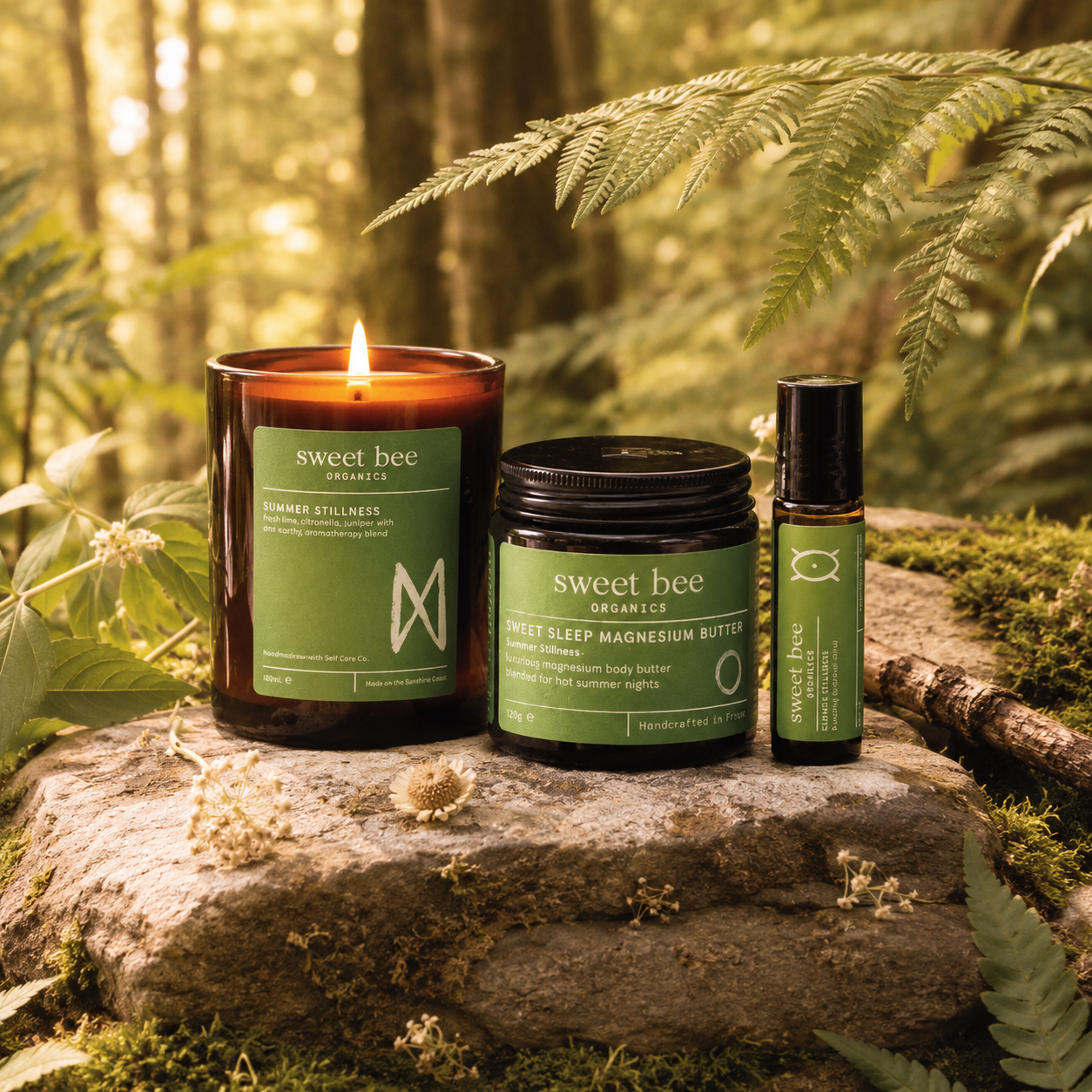
Many of us instinctively feel calmer when we spend time in woodland or natural environments.
In Japan, the practice of Shinrin-yoku, or forest bathing, encourages people to immerse themselves in nature using all their senses. Research suggests that aromatic compounds released by trees, known as phytoncides, may contribute to the restorative feelings many people experience in forests.
When access to nature is not always possible, carefully crafted essential oil blends can help recreate some of that sensory experience.
Pine, fir, cedarwood, cypress and sandalwood can evoke feelings of grounding and restoration. Bergamot, grapefruit and sweet orange can bring lightness and optimism. Lavender and frankincense can invite stillness, comfort and reflection.
These are not simply pleasant fragrances. They are carefully chosen environmental cues that help shape how we experience a space.
Creating seasonal and functional blends for Sweet Bee Organics
My recent collaboration with Sweet Bee Organics has been a true joy.
Together, we have created a series of seasonal and functional fragrance blends as limited-edition additions to their magnesium butter collection. Each scent was developed with intention, designed to complement the nourishing qualities of the product while enhancing the self-care ritual that surrounds it.
Working closely with founder Hollie King has been incredibly rewarding. My role has been to translate her thoughtful, creative vision into fragrances that capture the mood and emotion she wanted each collection to evoke.
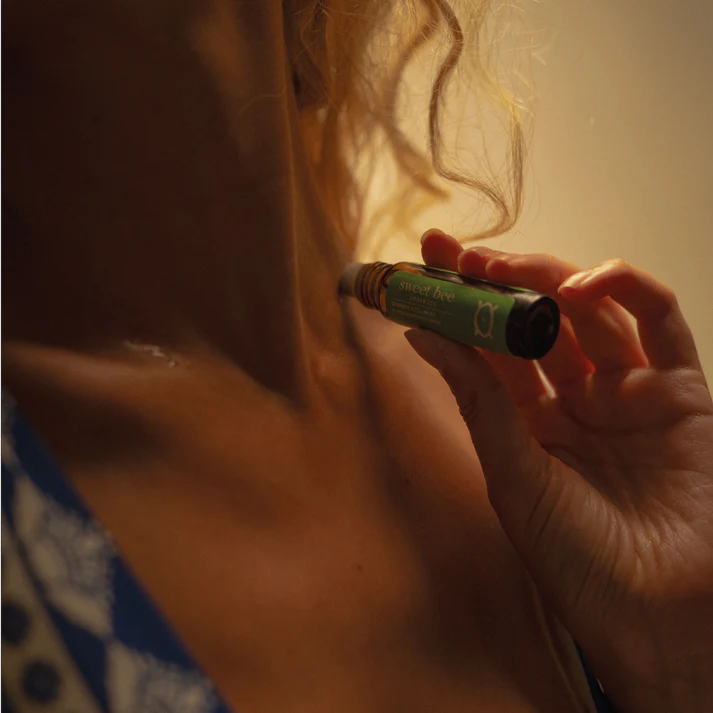
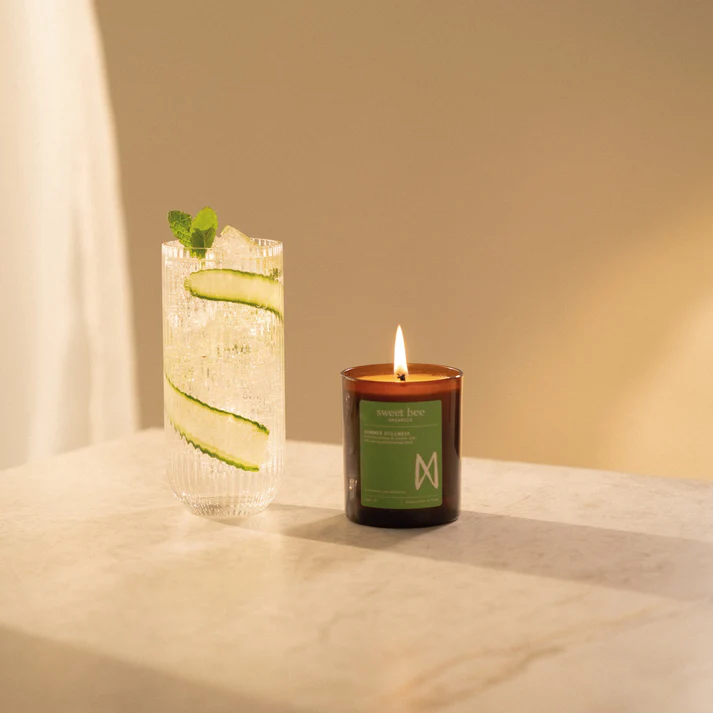
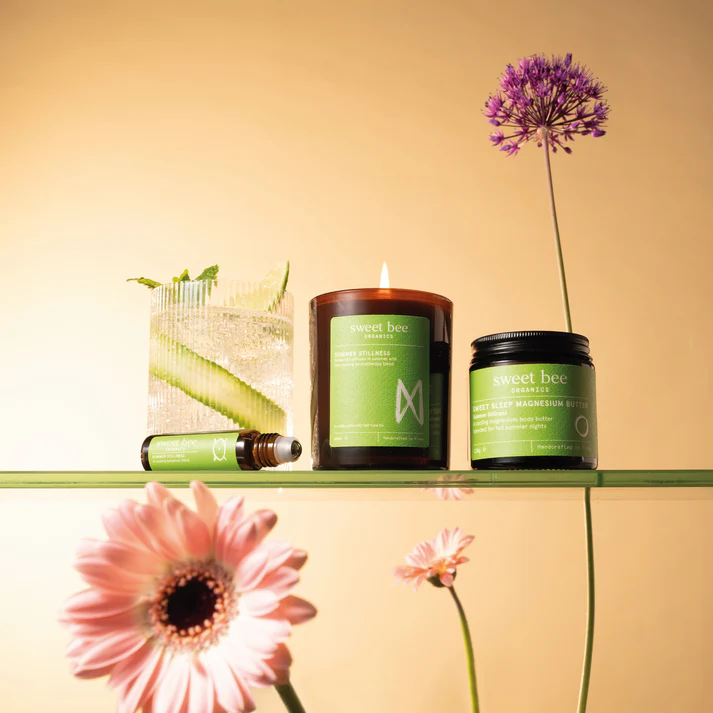
Winter called for something grounding, cocooning and restorative — a scent that felt like slowing down, drawing inward and finding comfort. Spring invited something softer and more hopeful, with delicate floral notes that evoke renewal. Summer called for brightness, freshness and ease, with citrus and herbal accents that feel uplifting and cooling.
Each blend reflects the rhythm and character of its season. The fragrances are carefully crafted to invite people to pause, reconnect and experience a moment of wellbeing through scent.
Sweet Bee Organics’ magnesium butter is already part of a mindful daily ritual, where touch, relaxation and nourishment come together. The bespoke seasonal fragrances add another layer to that experience, encouraging a deeper connection with the natural flow of the year and the unique energy that each season brings.
Ancient wisdom and modern understanding
Although the phrase functional fragrance is relatively new, the concept itself is ancient.
Ancient Egyptians burned frankincense and myrrh in ritual and ceremony. Ayurvedic traditions have long valued botanicals such as sandalwood, tulsi, vetiver and jasmine for their balancing and restorative qualities. European herbal traditions have also recognised plants such as lavender, rosemary and chamomile for their calming, clarifying or uplifting associations.
Today, neuroscience is helping us understand why these traditions have endured. We now know that scent communicates closely with regions of the brain involved in emotion, memory and stress response. In this way, modern science offers a framework for something humanity has always experienced intuitively.
Functional fragrance sits at this meeting point between ancient wisdom, personal experience and modern understanding.
Why intention matters
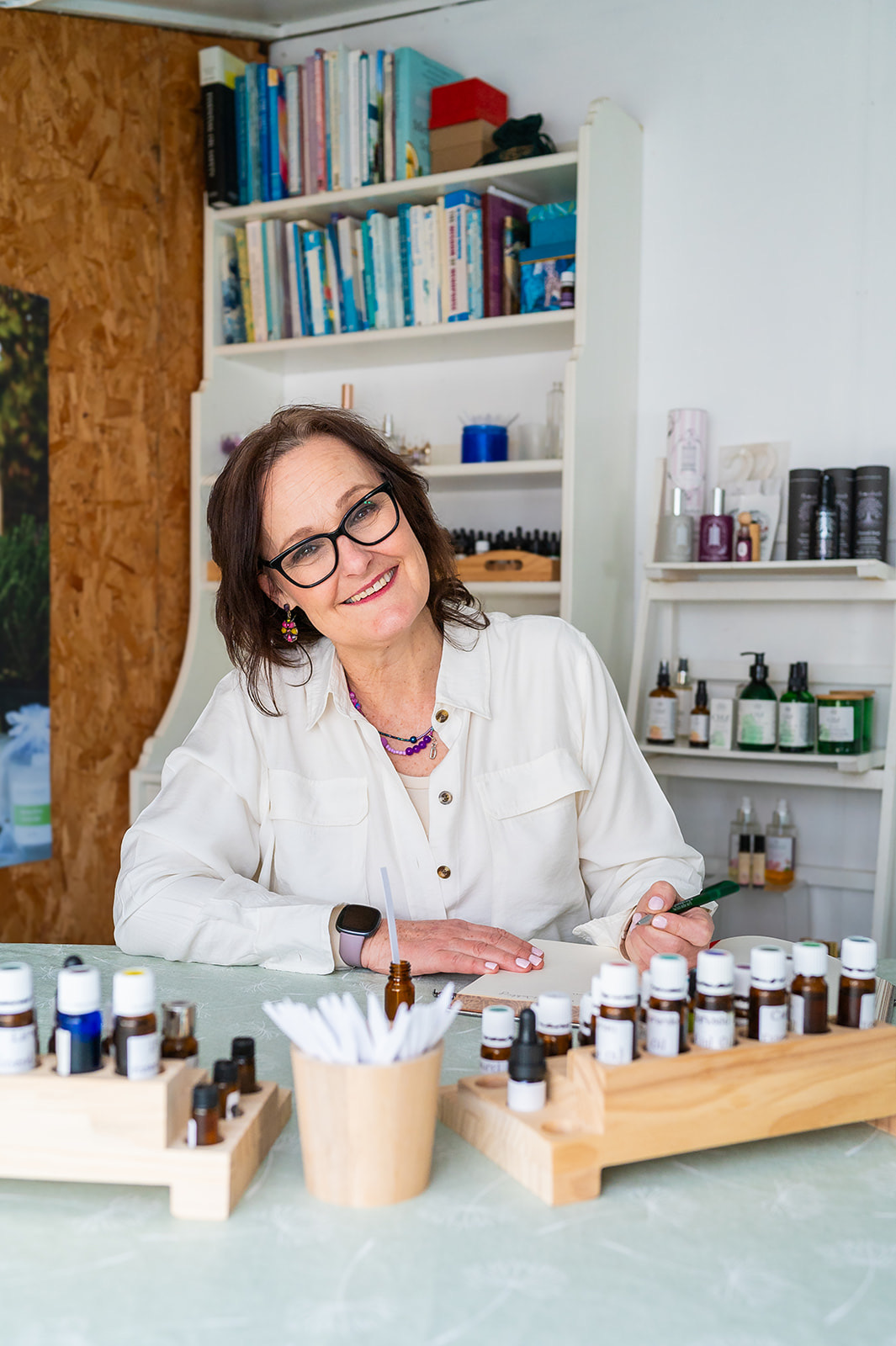
Perhaps the most important ingredient in any blend is not found in the bottle at all.
It is intention.
Every fragrance we choose creates an atmosphere. It shapes our environment, influences our emotions and becomes woven into our daily rituals. When we consciously select scents that support the way we want to feel, we begin to use one of the most powerful sensory systems available to us.
After more than three decades of creating essential oil blends, I remain convinced that fragrance is one of the simplest yet most profound ways we can nurture our wellbeing.
My goal is always the same: to create scents that do not just smell beautiful, but help people feel more connected, more balanced and more at home within themselves.
Because the best fragrances don’t simply smell beautiful. They transform the way we experience our inner world and the world around us.